Light-gauge steel, explained
The frame,
from coil to kit-of-parts.
Light-gauge steel is cold-formed from galvanized coil and roll-formed to the millimeter — every stud, joist and truss cut, punched and numbered before it leaves the line. Here’s how the system works, and why it’s built for how we build in the Philippines.
The line, by the numbers
One roll-forming line, held to a tolerance you can build on.
±0.5 mm
Manufacturing accuracy
2,160 m/hr
Framing produced per hour
22–16 ga
0.70–1.55 mm structural steel
89 & 150 mm
C & U profiles
1–4
Stories engineered
Galvanized
Zinc-coated against rust
Why light-gauge steel
Built for the tropics, member by member.
Dimensionally stable
Steel won't shrink, warp or swell as tropical humidity rises and falls — walls stay straight and openings stay square for the life of the building.
Typhoon & seismic ready
Every member is engineered to carry the wind and seismic loads Philippine conditions demand, so the structure holds its shape.
Highly resistant
Steel gives termites nothing to eat and grows no fungal wood rot — dry rot, wet rot or mold — the way timber does in tropical humidity, with no chemical treatment to renew.
Millimetre precision
Each member is roll-formed to ±0.5 mm, so parts fit first time — far less cutting on site, fewer errors and much less rework.
Low maintenance
Galvanized with a zinc coating that guards against rust from inside the wall — the frame never needs painting, staining or treatment.
Factory-consistent
Panels are formed on a line, not built by hand in the weather, so quality never depends on the crew or the day.
One line, every member
The whole frame comes off the same line.
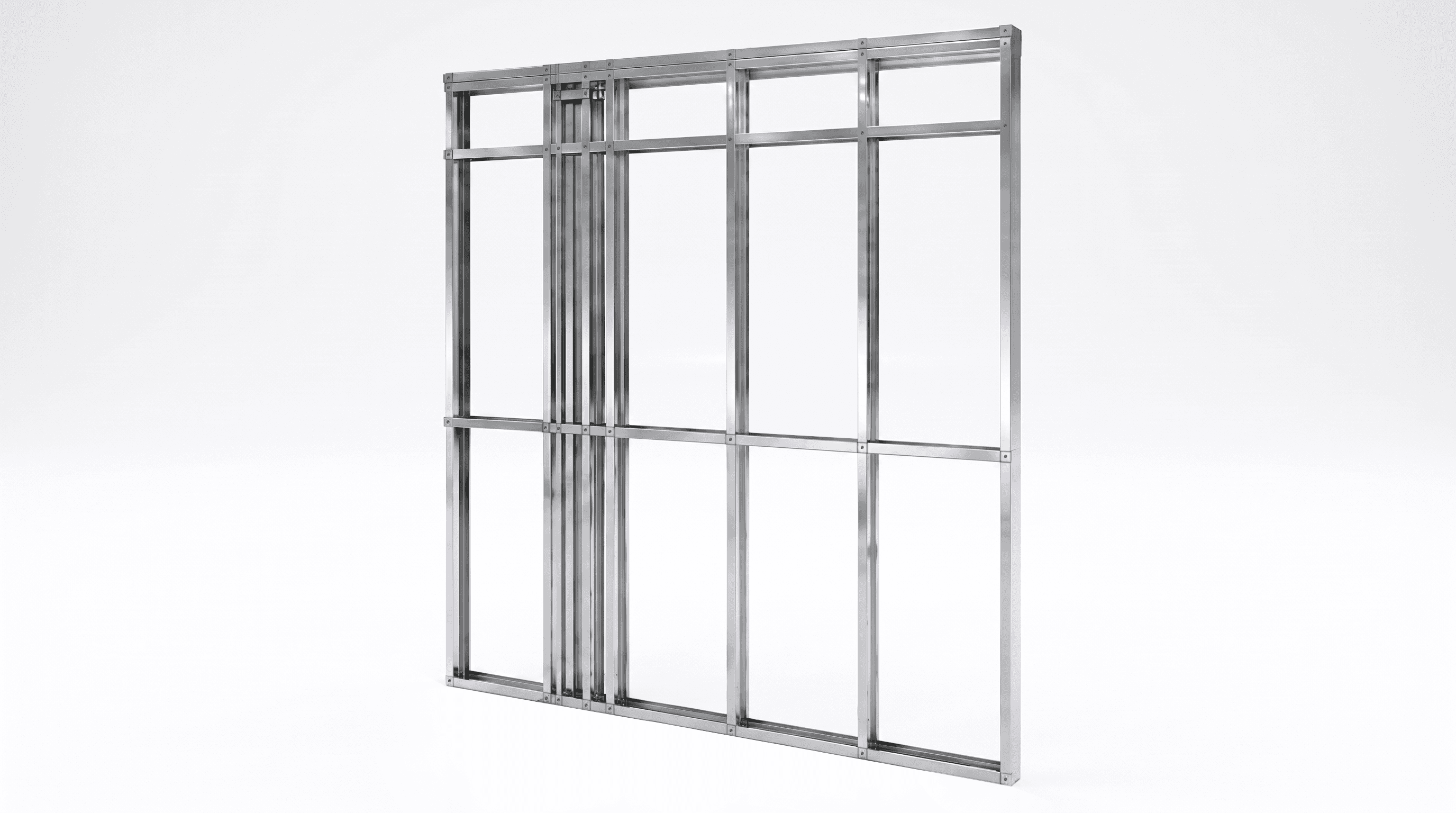
Wall framing
Load-bearing & partition panels — straight, square and true
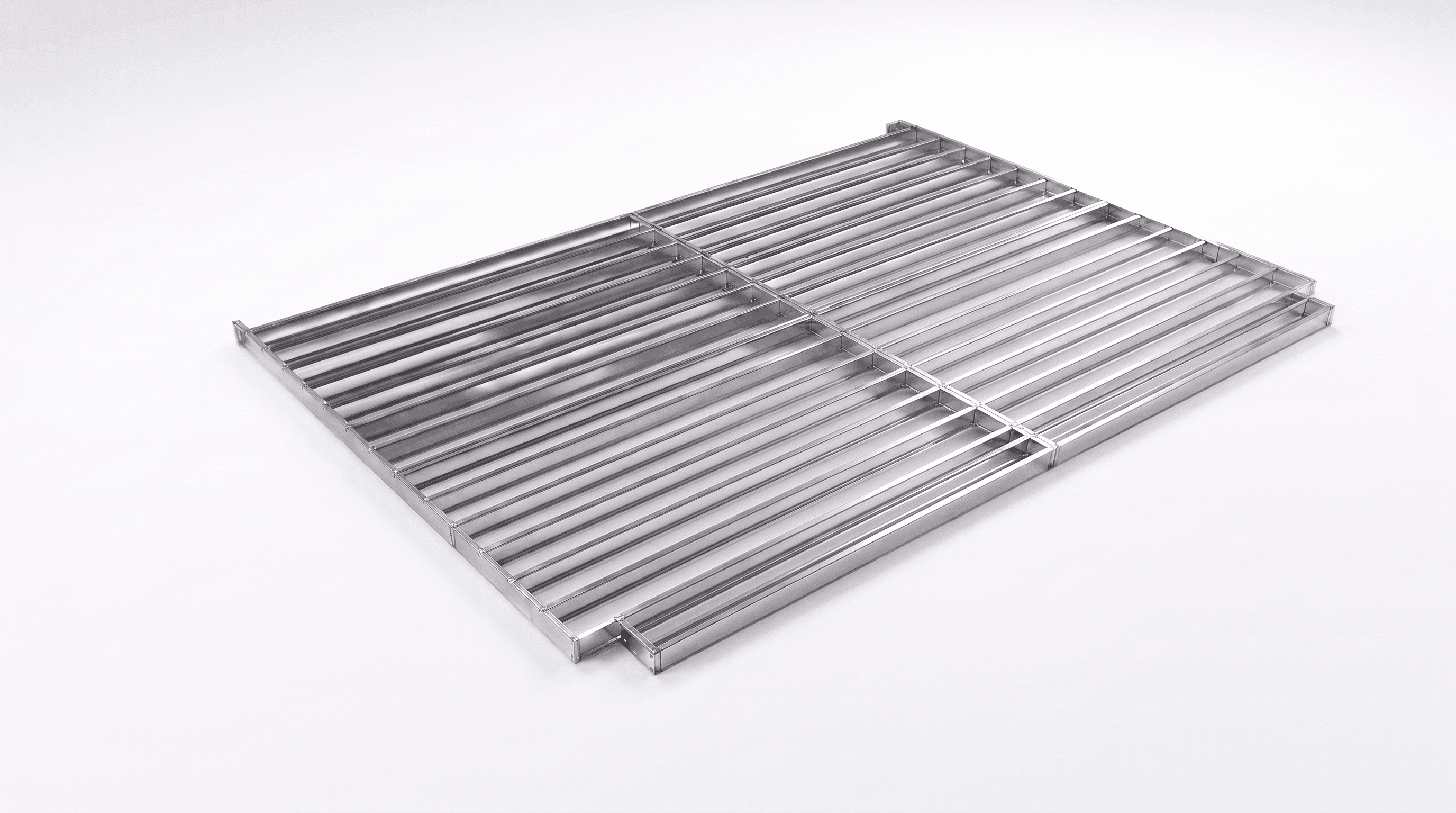
Floor framing
Clear-span floor systems that lift into place
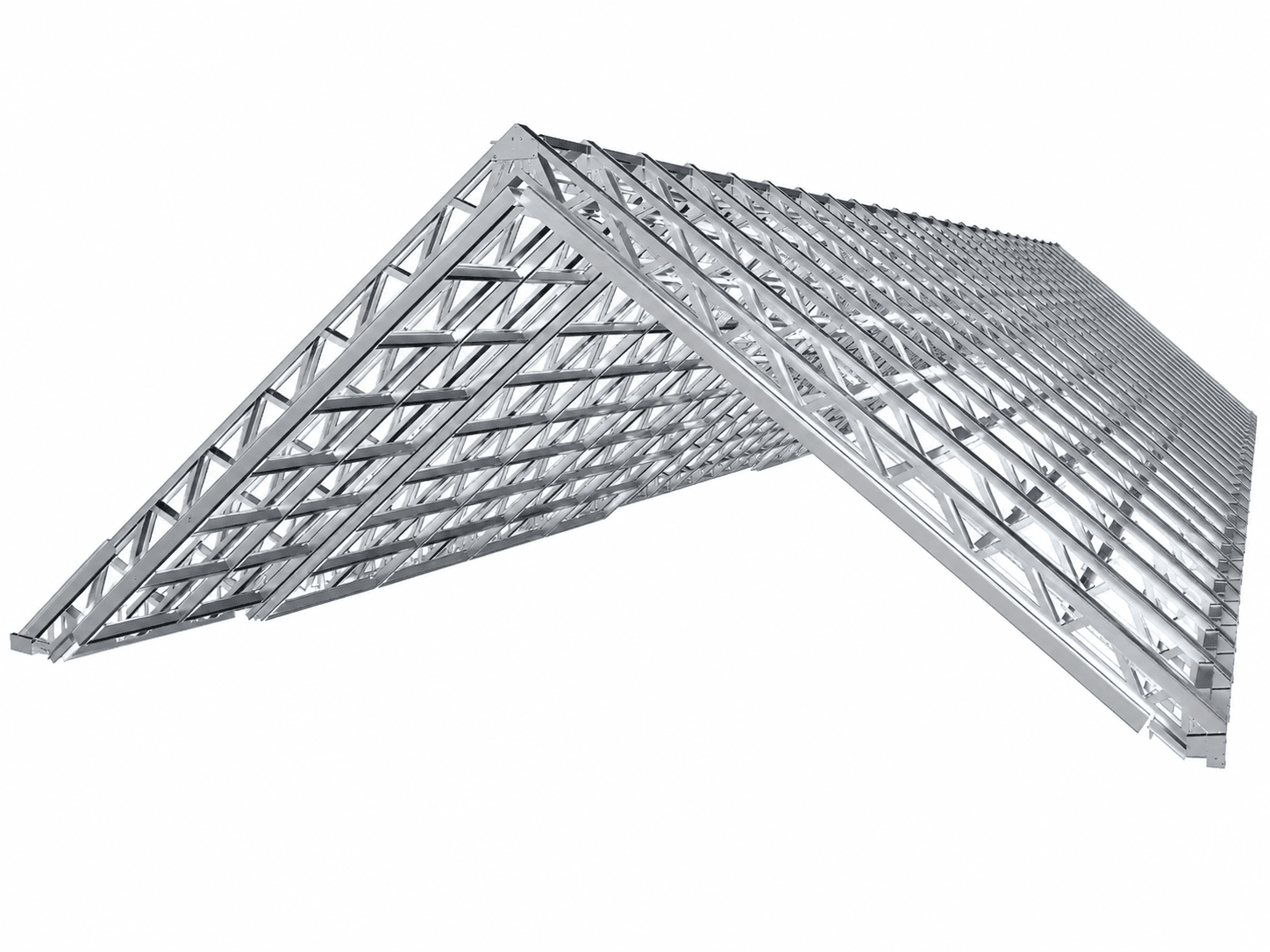
Roof framing
Trusses engineered to your span & pitch
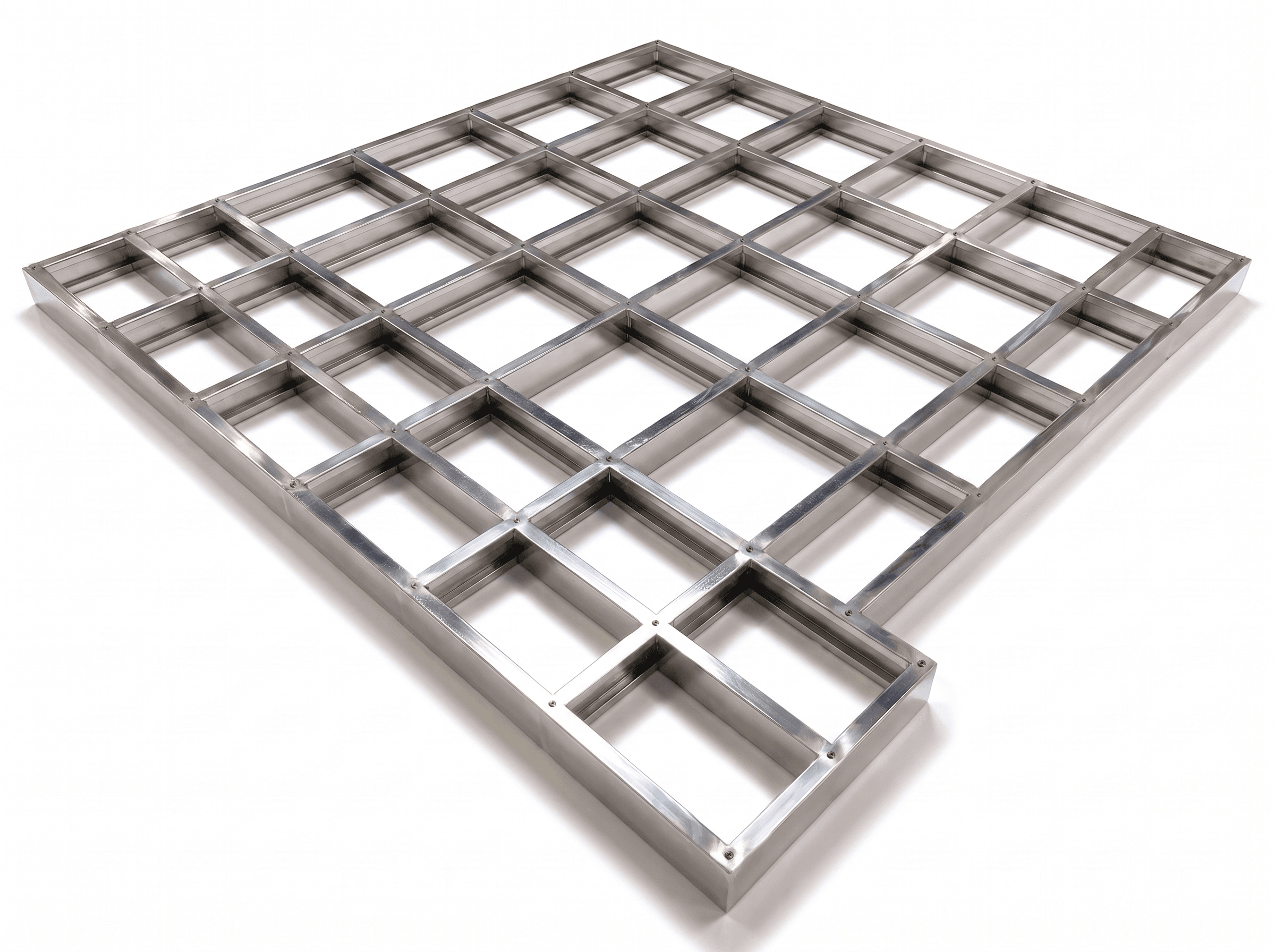
Ceiling framing
Suspended & structural ceiling frames
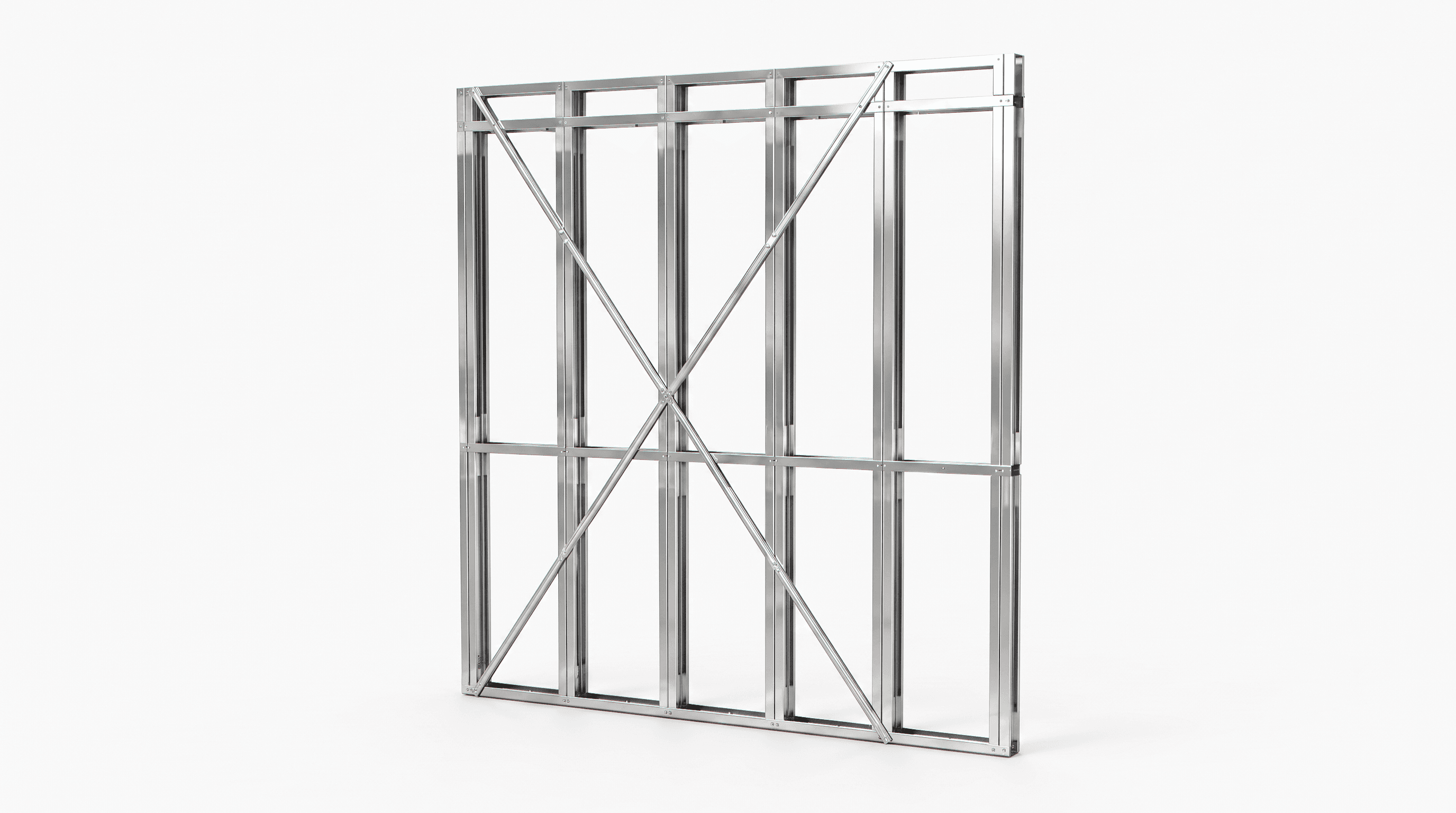
Bracing systems
Lateral stability against wind & seismic load
From your model to site
Four stages, one integrated line.
Design
Your drawings become an engineered 3D model and a precise digital kit-of-parts.
Roll-form
The model drives the line — each member rolled, punched and cut to exact length.
Kit-of-parts
Members are labeled and bundled by panel, shipped flat or pre-panelized.
Assemble
Numbered parts go up fast and true on site, with less waste and no guesswork.
The full spec, on one page.
Capability figures only, ready to hand to your engineer — then send us your plans for a solution and a quote.